#vtaiwan
2025-12-02

tzu-sheng kuo
04:36:07
關於 OpenAI Democratic Inputs to AI 如何迴避民主本質的好文章:
> *The OpenAI solicitation wants representativeness.* The most popular approach to ensuring this in debates these days is ‘sortition’ - *picking a representative sample of the population so as to create a ‘minipublic’* that notionally resembles the public as a whole (the same rough percentages of liberals and conservatives etc). *The solicitation wants these representative people to engage in “deliberative discussions,” where they politely exchange views with each other, and update their own perspectives when they hear good counter-arguments.* These discussions would center on questions that AI labs have tended to see as a massive pain in the arse, while avoiding topics that are central to their profit models (who decides on the release of new versions? who gets the money?) And all this is to be non-binding, unless OpenAI decides to the contrary at its own discretion, at some indefinite point in the future.
>
> *Such proposals don’t have much to do with real life democracy. […] T*he kind of democracy that deliberation-sortition points toward is one that is likely to be particularly congenial _both_ to sincerely motivated engineers and to those who are more directly self-interested.
> *The OpenAI solicitation wants representativeness.* The most popular approach to ensuring this in debates these days is ‘sortition’ - *picking a representative sample of the population so as to create a ‘minipublic’* that notionally resembles the public as a whole (the same rough percentages of liberals and conservatives etc). *The solicitation wants these representative people to engage in “deliberative discussions,” where they politely exchange views with each other, and update their own perspectives when they hear good counter-arguments.* These discussions would center on questions that AI labs have tended to see as a massive pain in the arse, while avoiding topics that are central to their profit models (who decides on the release of new versions? who gets the money?) And all this is to be non-binding, unless OpenAI decides to the contrary at its own discretion, at some indefinite point in the future.
>
> *Such proposals don’t have much to do with real life democracy. […] T*he kind of democracy that deliberation-sortition points toward is one that is likely to be particularly congenial _both_ to sincerely motivated engineers and to those who are more directly self-interested.
programmablemutter.com
There are plausible reasons for how it ended up that way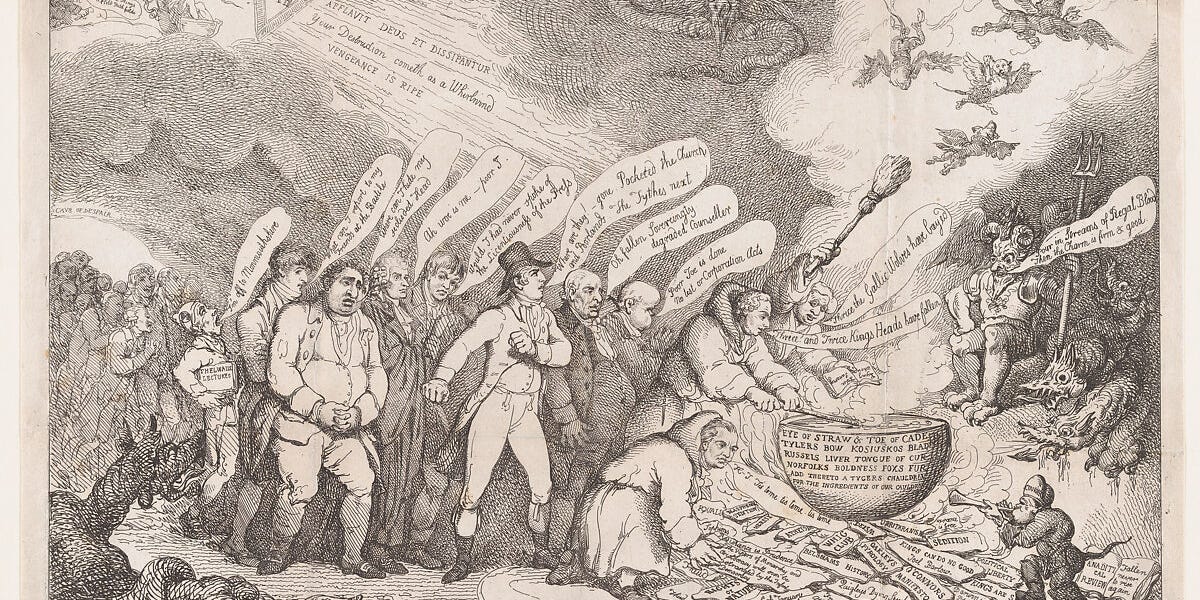
- 💯1
- 💡2
- 👍1

patcon
2025-12-03 01:25:49
Thanks, great share! I've been thinking about this a bit lately, related to polis 1.0 mechanics vs AI-assisted deliberation.
> [...] about the differences between using machine learning for:
>
> 1. Making sense of "human REACTIONS TO language" (polislike tools) versus
> 2. making sense of "language ITSELF" (AI-assisted deliberation tools)
https://www.linkedin.com/posts/patcon-_join-the-polis-user-group-fan-club-discord-activity-7399854513093865473-iBb8
I'm starting to believe there are two layers to politics that we mostly intermix: (1) our reasoned response (which we could call "voting", and (2) our affective non-linguistic response (which we could call "reacting").
Obviously the uniquely human thing (which we're proud of!) is the realm of language and reason. but it all sits on a lower system of wordless "affect" -- away vs toward feelings, valence. These roughly correspond to system 1 and system 2 thinking, from "Thinking Fast and Slow".
One is the realm of the ideal self, that we are at our most self-actualized. The other is more akin to "chemotaxis", how a single cell moves up and down 2D chemical gradients, toward good things and away from bad things.
And while we might like to imagine we can govern exclusively with our most recent form of knowing (language! reason!), I think we're building on sand if we don't also create ways to map the lower layer that system 2 builds on. Because we live the every day in our fast system 1.
Yes, pre-linguistic system 1 is the root of prejudice and bias, but when properly tuned, it's also the instinct and intuition that saves runaway baby carriages and helps people notice both dangerous situations and subtle possibilities. It's efficient and used to great effect when it's in relationship with the higher system.
Things are about to get tough in the world. And as the American expression [kinda] goes " when the going get tough, the tough get system 1". So maybe we should integrate mapping of these lowly systems into our governance, and harvest the inherent wisdom that they have <3
Imho this is what polis 1.0 systems do: using machine learning to help us map simple attraction/repulsion patterns between the black boxes of humans and language, without inviting the machines into the black boxes of ours minds or our meaning. The generated maps (created with very little compute) are for us to do that sensemaking 🙏🏻
> [...] about the differences between using machine learning for:
>
> 1. Making sense of "human REACTIONS TO language" (polislike tools) versus
> 2. making sense of "language ITSELF" (AI-assisted deliberation tools)
https://www.linkedin.com/posts/patcon-_join-the-polis-user-group-fan-club-discord-activity-7399854513093865473-iBb8
I'm starting to believe there are two layers to politics that we mostly intermix: (1) our reasoned response (which we could call "voting", and (2) our affective non-linguistic response (which we could call "reacting").
Obviously the uniquely human thing (which we're proud of!) is the realm of language and reason. but it all sits on a lower system of wordless "affect" -- away vs toward feelings, valence. These roughly correspond to system 1 and system 2 thinking, from "Thinking Fast and Slow".
One is the realm of the ideal self, that we are at our most self-actualized. The other is more akin to "chemotaxis", how a single cell moves up and down 2D chemical gradients, toward good things and away from bad things.
And while we might like to imagine we can govern exclusively with our most recent form of knowing (language! reason!), I think we're building on sand if we don't also create ways to map the lower layer that system 2 builds on. Because we live the every day in our fast system 1.
Yes, pre-linguistic system 1 is the root of prejudice and bias, but when properly tuned, it's also the instinct and intuition that saves runaway baby carriages and helps people notice both dangerous situations and subtle possibilities. It's efficient and used to great effect when it's in relationship with the higher system.
Things are about to get tough in the world. And as the American expression [kinda] goes " when the going get tough, the tough get system 1". So maybe we should integrate mapping of these lowly systems into our governance, and harvest the inherent wisdom that they have <3
Imho this is what polis 1.0 systems do: using machine learning to help us map simple attraction/repulsion patterns between the black boxes of humans and language, without inviting the machines into the black boxes of ours minds or our meaning. The generated maps (created with very little compute) are for us to do that sensemaking 🙏🏻
tzu-sheng kuo
04:36:07
關於 OpenAI Democratic Inputs to AI 如何迴避民主本質的好文章:
> *The OpenAI solicitation wants representativeness.* The most popular approach to ensuring this in debates these days is ‘sortition’ - *picking a representative sample of the population so as to create a ‘minipublic’* that notionally resembles the public as a whole (the same rough percentages of liberals and conservatives etc). *The solicitation wants these representative people to engage in “deliberative discussions,” where they politely exchange views with each other, and update their own perspectives when they hear good counter-arguments.* These discussions would center on questions that AI labs have tended to see as a massive pain in the arse, while avoiding topics that are central to their profit models (who decides on the release of new versions? who gets the money?) And all this is to be non-binding, unless OpenAI decides to the contrary at its own discretion, at some indefinite point in the future.
>
> *Such proposals don’t have much to do with real life democracy. […] T*he kind of democracy that deliberation-sortition points toward is one that is likely to be particularly congenial _both_ to sincerely motivated engineers and to those who are more directly self-interested.
> *The OpenAI solicitation wants representativeness.* The most popular approach to ensuring this in debates these days is ‘sortition’ - *picking a representative sample of the population so as to create a ‘minipublic’* that notionally resembles the public as a whole (the same rough percentages of liberals and conservatives etc). *The solicitation wants these representative people to engage in “deliberative discussions,” where they politely exchange views with each other, and update their own perspectives when they hear good counter-arguments.* These discussions would center on questions that AI labs have tended to see as a massive pain in the arse, while avoiding topics that are central to their profit models (who decides on the release of new versions? who gets the money?) And all this is to be non-binding, unless OpenAI decides to the contrary at its own discretion, at some indefinite point in the future.
>
> *Such proposals don’t have much to do with real life democracy. […] T*he kind of democracy that deliberation-sortition points toward is one that is likely to be particularly congenial _both_ to sincerely motivated engineers and to those who are more directly self-interested.
patcon
2025-12-03 01:25:49
Thanks, great share! I've been thinking about this a bit lately, related to polis 1.0 mechanics vs AI-assisted deliberation.
> [...] about the differences between using machine learning for:
>
> 1. Making sense of "human REACTIONS TO language" (polislike tools) versus
> 2. making sense of "language ITSELF" (AI-assisted deliberation tools)
https://www.linkedin.com/posts/patcon-_join-the-polis-user-group-fan-club-discord-activity-7399854513093865473-iBb8
I'm starting to believe there are two layers to politics that we mostly intermix: (1) our reasoned response (which we could call "voting", and (2) our affective non-linguistic response (which we could call "reacting").
Obviously the uniquely human thing (which we're proud of!) is the realm of language and reason. but it all sits on a lower system of wordless "affect" -- away vs toward feelings, valence. These roughly correspond to system 1 and system 2 thinking, from "Thinking Fast and Slow".
One is the realm of the ideal self, that we are at our most self-actualized. The other is more akin to "chemotaxis", how a single cell moves up and down 2D chemical gradients, toward good things and away from bad things.
And while we might like to imagine we can govern exclusively with our most recent form of knowing (language! reason!), I think we're building on sand if we don't also create ways to map the lower layer that system 2 builds on. Because we live the every day in our fast system 1.
Yes, pre-linguistic system 1 is the root of prejudice and bias, but when properly tuned, it's also the instinct and intuition that saves runaway baby carriages and helps people notice both dangerous situations and subtle possibilities. It's efficient and used to great effect when it's in relationship with the higher system.
Things are about to get tough in the world. And as the American expression [kinda] goes " when the going get tough, the tough get system 1". So maybe we should integrate mapping of these lowly systems into our governance, and harvest the inherent wisdom that they have <3
Imho this is what polis 1.0 systems do: using machine learning to help us map simple attraction/repulsion patterns between the black boxes of humans and language, without inviting the machines into the black boxes of ours minds or our meaning. The generated maps (created with very little compute) are for us to do that sensemaking 🙏🏻
> [...] about the differences between using machine learning for:
>
> 1. Making sense of "human REACTIONS TO language" (polislike tools) versus
> 2. making sense of "language ITSELF" (AI-assisted deliberation tools)
https://www.linkedin.com/posts/patcon-_join-the-polis-user-group-fan-club-discord-activity-7399854513093865473-iBb8
I'm starting to believe there are two layers to politics that we mostly intermix: (1) our reasoned response (which we could call "voting", and (2) our affective non-linguistic response (which we could call "reacting").
Obviously the uniquely human thing (which we're proud of!) is the realm of language and reason. but it all sits on a lower system of wordless "affect" -- away vs toward feelings, valence. These roughly correspond to system 1 and system 2 thinking, from "Thinking Fast and Slow".
One is the realm of the ideal self, that we are at our most self-actualized. The other is more akin to "chemotaxis", how a single cell moves up and down 2D chemical gradients, toward good things and away from bad things.
And while we might like to imagine we can govern exclusively with our most recent form of knowing (language! reason!), I think we're building on sand if we don't also create ways to map the lower layer that system 2 builds on. Because we live the every day in our fast system 1.
Yes, pre-linguistic system 1 is the root of prejudice and bias, but when properly tuned, it's also the instinct and intuition that saves runaway baby carriages and helps people notice both dangerous situations and subtle possibilities. It's efficient and used to great effect when it's in relationship with the higher system.
Things are about to get tough in the world. And as the American expression [kinda] goes " when the going get tough, the tough get system 1". So maybe we should integrate mapping of these lowly systems into our governance, and harvest the inherent wisdom that they have <3
Imho this is what polis 1.0 systems do: using machine learning to help us map simple attraction/repulsion patterns between the black boxes of humans and language, without inviting the machines into the black boxes of ours minds or our meaning. The generated maps (created with very little compute) are for us to do that sensemaking 🙏🏻


2025-12-03
patcon
01:25:49
Thanks, great share! I've been thinking about this a bit lately, related to polis 1.0 mechanics vs AI-assisted deliberation.
> [...] about the differences between using machine learning for:
>
> 1. Making sense of "human REACTIONS TO language" (polislike tools) versus
> 2. making sense of "language ITSELF" (AI-assisted deliberation tools)
https://www.linkedin.com/posts/patcon-_join-the-polis-user-group-fan-club-discord-activity-7399854513093865473-iBb8
I'm starting to believe there are two layers to politics that we mostly intermix: (1) our reasoned response (which we could call "voting", and (2) our affective non-linguistic response (which we could call "reacting").
Obviously the uniquely human thing (which we're proud of!) is the realm of language and reason. but it all sits on a lower system of wordless "affect" -- away vs toward feelings, valence. These roughly correspond to system 1 and system 2 thinking, from "Thinking Fast and Slow".
One is the realm of the ideal self, that we are at our most self-actualized. The other is more akin to "chemotaxis", how a single cell moves up and down 2D chemical gradients, toward good things and away from bad things.
And while we might like to imagine we can govern exclusively with our most recent form of knowing (language! reason!), I think we're building on sand if we don't also create ways to map the lower layer that system 2 builds on. Because we live the every day in our fast system 1.
Yes, pre-linguistic system 1 is the root of prejudice and bias, but when properly tuned, it's also the instinct and intuition that saves runaway baby carriages and helps people notice both dangerous situations and subtle possibilities. It's efficient and used to great effect when it's in relationship with the higher system.
Things are about to get tough in the world. And as the American expression [kinda] goes " when the going get tough, the tough get system 1". So maybe we should integrate mapping of these lowly systems into our governance, and harvest the inherent wisdom that they have <3
Imho this is what polis 1.0 systems do: using machine learning to help us map simple attraction/repulsion patterns between the black boxes of humans and language, without inviting the machines into the black boxes of ours minds or our meaning. The generated maps (created with very little compute) are for us to do that sensemaking 🙏🏻
> [...] about the differences between using machine learning for:
>
> 1. Making sense of "human REACTIONS TO language" (polislike tools) versus
> 2. making sense of "language ITSELF" (AI-assisted deliberation tools)
https://www.linkedin.com/posts/patcon-_join-the-polis-user-group-fan-club-discord-activity-7399854513093865473-iBb8
I'm starting to believe there are two layers to politics that we mostly intermix: (1) our reasoned response (which we could call "voting", and (2) our affective non-linguistic response (which we could call "reacting").
Obviously the uniquely human thing (which we're proud of!) is the realm of language and reason. but it all sits on a lower system of wordless "affect" -- away vs toward feelings, valence. These roughly correspond to system 1 and system 2 thinking, from "Thinking Fast and Slow".
One is the realm of the ideal self, that we are at our most self-actualized. The other is more akin to "chemotaxis", how a single cell moves up and down 2D chemical gradients, toward good things and away from bad things.
And while we might like to imagine we can govern exclusively with our most recent form of knowing (language! reason!), I think we're building on sand if we don't also create ways to map the lower layer that system 2 builds on. Because we live the every day in our fast system 1.
Yes, pre-linguistic system 1 is the root of prejudice and bias, but when properly tuned, it's also the instinct and intuition that saves runaway baby carriages and helps people notice both dangerous situations and subtle possibilities. It's efficient and used to great effect when it's in relationship with the higher system.
Things are about to get tough in the world. And as the American expression [kinda] goes " when the going get tough, the tough get system 1". So maybe we should integrate mapping of these lowly systems into our governance, and harvest the inherent wisdom that they have <3
Imho this is what polis 1.0 systems do: using machine learning to help us map simple attraction/repulsion patterns between the black boxes of humans and language, without inviting the machines into the black boxes of ours minds or our meaning. The generated maps (created with very little compute) are for us to do that sensemaking 🙏🏻

bestian
12:54:19
Replied to a thread: 2025-11-26 15:17:08
前幾天因突發的停水事件,有幾天沒休息得很好。今天小松先請假一次。會再看記錄。
請大家多用紫色麥克風轉錄,謝謝。🙏
請大家多用紫色麥克風轉錄,謝謝。🙏

Peter
17:09:17
那今天還有其他人會上線嗎~我可以先開好共筆,不過我等等台灣時間19:00後也有事情,所以如果真的沒有的話這週先暫停一次沒關係!
bestian
18:23:51
如果先開好共筆,之後會議取消的話,也可以事後改title為下週的日期。

Josh
18:52:24
咦抱歉沒有及時跟到,最後是取消了是嗎
2025-12-05


2025-12-06

釋阿南Anan
14:11:13
Replied to a thread: 2025-11-15 13:18:37
@joshuacyyang 逐字稿 🐬
中文
https://sayit.archive.tw/2025-12-04-%E6%AD%A3%E5%91%BD%E8%AC%9B%E5%BA%A7
English:
https://sayit.archive.tw/2025-12-04-right-livelihood-lecture
中文
https://sayit.archive.tw/2025-12-04-%E6%AD%A3%E5%91%BD%E8%AC%9B%E5%BA%A7
English:
https://sayit.archive.tw/2025-12-04-right-livelihood-lecture
SayIt
Transcripts for the modern internet
- 💡1
2025-12-07
Peter
17:07:14
對嗚嗚
2025-12-09

tofus
15:06:48
我好認同健腦房的概念
2025-12-10
Peter
17:47:38
大家晚安,上週小聚因故取消,不過這週還是有小松喔!共筆:https://g0v.hackmd.io/@tmonk/rJHYWR9S4/%2FMCIQoeJVQJO64IbtIpdKbA?type=book
bestian
2025-12-10 18:56:42
OK, 我七點上線
Peter
17:47:38
大家晚安,上週小聚因故取消,不過這週還是有小松喔!共筆:https://g0v.hackmd.io/@tmonk/rJHYWR9S4/%2FMCIQoeJVQJO64IbtIpdKbA?type=book
HackMD
vTaiwan 工作組 Working Group === - [vTaiwan工作組 General Info](/f9c4pS_TQjClh0g6wCJ8iw) - [新手簡報](https:
- 👍1
bestian
2025-12-10 18:56:42
OK, 我七點上線
Peter
17:48:20
今天除了討論一些行政事項外,也會討論 @tomy7912348 提出的一個有趣的概念!https://www.facebook.com/share/p/1LX9TE5DHz/?mibextid=wwXIfr
facebook.com
【新聞稿】民團發布政策建議書:呼籲社會防衛韌性納入性別與多元人權視角 面對中國對台灣明確的侵略意圖與複合式威脅,婦女新知基金會與合作夥伴 FNF Global Innovation Hub 弗里德里希諾曼自由基金會在台辦事處 (Taiwan Office, Friedrich Naumann Foundation for Freedom )、熱吵民主 Taiwan Reach-Out...
Peter
17:48:20
今天除了討論一些行政事項外,也會討論 @tomy7912348 提出的一個有趣的概念!https://www.facebook.com/share/p/1LX9TE5DHz/?mibextid=wwXIfr
【新聞稿】民團發布政策建議書:呼籲社會防衛韌性納入性別與多元人權視角 面對中國對台灣明確的侵略意圖與複合式威脅,婦女新知基金會與合作夥伴 FNF Global Innovation Hub 弗里德里希諾曼自由基金會在台辦事處 (Taiwan Office, Friedrich Naumann Foundation for Freedom )、熱吵民主 Taiwan Reach-Out...
bestian
18:56:42
OK, 我七點上線
Peter
19:57:58
大家晚安,vTaiwan 社群又過去一年滿滿小松的日子!年末還是想要找大家一起出來聚會與吃飯!請想來的大家協助填寫以下的時間調查表單!https://www.meetor.app/events/64b69f6640a tag 一下今年有上線的貢獻者大大們~ @tomy7912348 @yutingchen7749 @be @yiting.lien7 @terry.f.wang @shianan815 @amosli.tw @yiting.lien7 @cyhp24680
meetor.app
Meetor is the Effortless and Secure When2Meet Alternative - Simplify scheduling without the need for sign-ups, with our free and user-friendly interface.
Peter
2025-12-17 18:18:52
浮一下這邊的調查,大家麻煩幫忙看看喔~

小孩快出生囉不能出遠門,感謝記得我~~
Peter
19:57:58
大家晚安,vTaiwan 社群又過去一年滿滿小松的日子!年末還是想要找大家一起出來聚會與吃飯!請想來的大家協助填寫以下的時間調查表單!https://www.meetor.app/events/64b69f6640a tag 一下今年有上線的貢獻者大大們~ @tomy7912348 @yutingchen7749 @be @yiting.lien7 @terry.f.wang @shianan815 @amosli.tw @yiting.lien7
Peter
2025-12-17 18:18:52
浮一下這邊的調查,大家麻煩幫忙看看喔~
小孩快出生囉不能出遠門,感謝記得我~~
2025-12-11
bestian
08:10:54
昨天的後續工程,實作多語言轉錄選項,並可以把日文和英文自動翻譯成中文。實測ok~
像之前有英文演講者的那種情況,就可以使用。
有空可以幫忙再測測看UI夠不夠直覺,如有要微調的地方,可以再重開此issue。
https://github.com/g0v/vue.vTaiwan-neo/issues/121#issuecomment-3639446030
https://www.vtaiwan.tw/jitsi
像之前有英文演講者的那種情況,就可以使用。
有空可以幫忙再測測看UI夠不夠直覺,如有要微調的地方,可以再重開此issue。
https://github.com/g0v/vue.vTaiwan-neo/issues/121#issuecomment-3639446030
https://www.vtaiwan.tw/jitsi

bestian
2025-12-11 15:40:26
原本因翻譯模型的性質,預設偏簡體,採"後處理轉正體"的方式解決簡正轉換,但對岸用語還是會出現。
後來多串一個gpt-oss-20b來"修掉對岸用語改為台灣用語",現在應該穩定了。
後來多串一個gpt-oss-20b來"修掉對岸用語改為台灣用語",現在應該穩定了。
bestian
15:40:26
Replied to a thread: 2025-12-11 08:10:54
原本因翻譯模型的性質,預設偏簡體,採"後處理轉正體"的方式解決簡正轉換,但對岸用語還是會出現。
後來多串一個gpt-oss-20b來"修掉對岸用語改為台灣用語",現在應該穩定了。
後來多串一個gpt-oss-20b來"修掉對岸用語改為台灣用語",現在應該穩定了。

2025-12-16
tofus
18:14:56
各位我發現 pomelli *非常好用*
歡迎大家連美國的 vpn 試玩看看
它是批量製作行銷素材的工具,正是 vTaiwan 非常需要的東西
https://labs.google.com/pomelli/about/
歡迎大家連美國的 vpn 試玩看看
它是批量製作行銷素材的工具,正是 vTaiwan 非常需要的東西
https://labs.google.com/pomelli/about/
- 😮2
tofus
2025-12-16 19:38:39
tofus
18:14:56
tofus
2025-12-16 19:38:39
2025-12-17
Peter
18:18:23
好讚!感謝豆腐分享!
Peter
18:18:23
好讚!感謝豆腐分享!

Eli
18:27:37
抱歉 今天無法上線
Peter
19:01:43
發現上週照片忘記放上來


Peter
19:02:19
今天共筆
Peter
19:02:19
今天共筆
Peter
19:02:20
# 20251209 小松 時間 Time :19:00 - 20:00 地點 Location :線上 Online 參與者 Participants: <https://www.vtaiw>
A4
19:34:32
小孩快出生囉不能出遠門,感謝記得我~~
Peter
19:49:06
感謝 @yutingchen7749 @yiting.lien7 @cyhp24680 上線!剛剛討論到未來在進行議題小聚,討論比較具有爭議性的議題時,如何在接觸到更多對象與多元意見的同時,還能維持審議品質的問題:要確認可以如何接觸倒比較多元的意見。同時也要注意意見中夾雜極端情緒、不實資訊。如何設定規則並執行,感覺會是很關鍵的事情


Peter
19:49:35
看看 @yutingchen7749 @yiting.lien7 @joshuacyyang @tzushenk 有沒有相關的文獻或技術案例可以協助解答~
2025-12-18
tzu-sheng kuo
03:47:05
有不少文獻試圖解決這個問題,但許多相關文獻的作者都是 AI 的 hyper,所以我覺得在讀的時候不需要把他們的方法或結論奉為圭臬,可以參考就好,然後想想怎麼樣的方式才是真正有效或是適合的
• Leveraging AI for democratic discourse: Chat interventions can improve online political conversations at scale
• Durably reducing conspiracy beliefs through dialogues with AI
• Help Me Reflect: Leveraging Self-Reflection Interface Nudges to Enhance Deliberativeness on Online Deliberation Platforms
• Leveraging AI for democratic discourse: Chat interventions can improve online political conversations at scale
• Durably reducing conspiracy beliefs through dialogues with AI
• Help Me Reflect: Leveraging Self-Reflection Interface Nudges to Enhance Deliberativeness on Online Deliberation Platforms
- 👍2
- 1
Peter
2025-12-18 22:57:19
收到!這個分享很珍貴欸!
tzu-sheng kuo
03:47:05
有不少文獻試圖解決這個問題,但許多相關文獻的作者都是 AI 的 hyper,所以我覺得在讀的時候不需要把他們的方法或結論奉為圭臬,可以參考就好,然後想想怎麼樣的方式才是真正有效或是適合的
• Leveraging AI for democratic discourse: Chat interventions can improve online political conversations at scale
• Durably reducing conspiracy beliefs through dialogues with AI
• Help Me Reflect: Leveraging Self-Reflection Interface Nudges to Enhance Deliberativeness on Online Deliberation Platforms
• Leveraging AI for democratic discourse: Chat interventions can improve online political conversations at scale
• Durably reducing conspiracy beliefs through dialogues with AI
• Help Me Reflect: Leveraging Self-Reflection Interface Nudges to Enhance Deliberativeness on Online Deliberation Platforms
Peter
2025-12-18 22:57:19
收到!這個分享很珍貴欸!
Peter
22:57:19
收到!這個分享很珍貴欸!
2025-12-24
Peter
15:31:40
大家午安!聖誕快樂!今天晚上小松我可能要請假一次,看看有誰想上線的,我等等將共筆開好~
Peter
15:31:40
大家午安!聖誕快樂!今天晚上小松我可能要請假一次,看看有誰想上線的,我等等將共筆開好~
2025-12-31
Peter
15:22:05
大家午安!今天是2025年的最後一天,考量大家都有跨年行程,我們今天小松暫停一次!vTaiwan 小松明年 1/7再見!